

.svg)
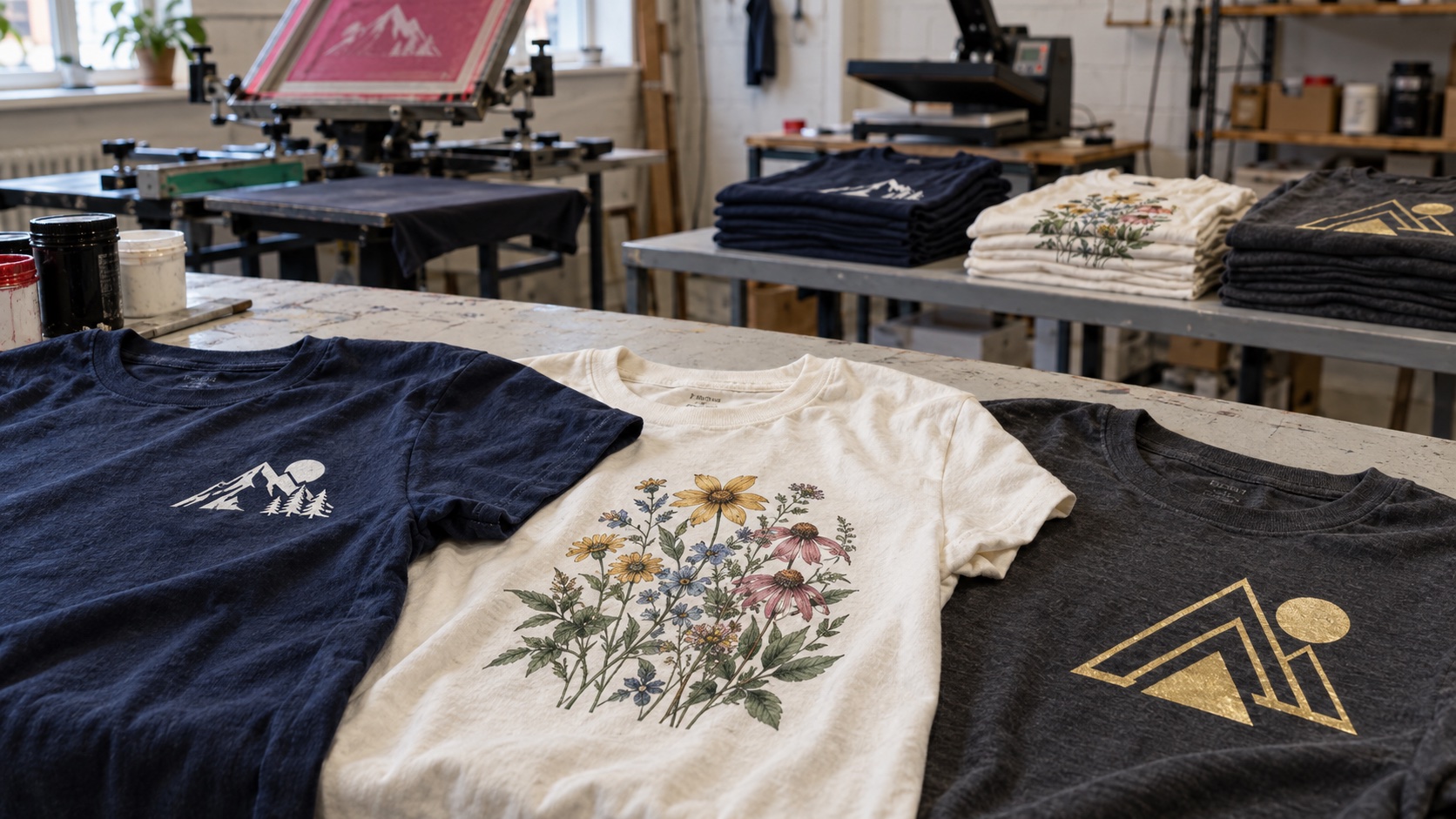
Want printed T-shirts for your team, event or brand but not sure how screen printing, DTF and heat transfer differ? You're not alone. These three methods look similar, yet the result, durability and price can vary a lot. In this article we explain in plain language how each one works and when it is the best choice.
Why the printing method matters
A T-shirt is not a sheet of paper: the fabric stretches, gets washed, rubbed and worn every day. The print has to survive both the washing machine and heavy use. The wrong method can mean a design that cracks or fades after a few washes, or a small order that costs far more than it should.
When choosing a method, it helps to answer four questions:
- How many shirts do you need — ten or a thousand?
- How many colours are in the design — two simple ones or a photo with smooth gradients?
- What fabric will be printed — cotton, polyester or a blend?
- How will the shirt be used — as workwear that is washed often, or as an event souvenir?
Screen printing: the classic for large runs
Screen printing is the oldest and still the most popular textile printing method. Ink is pushed through a screen (stencil) directly onto the fabric, and each colour needs its own screen.
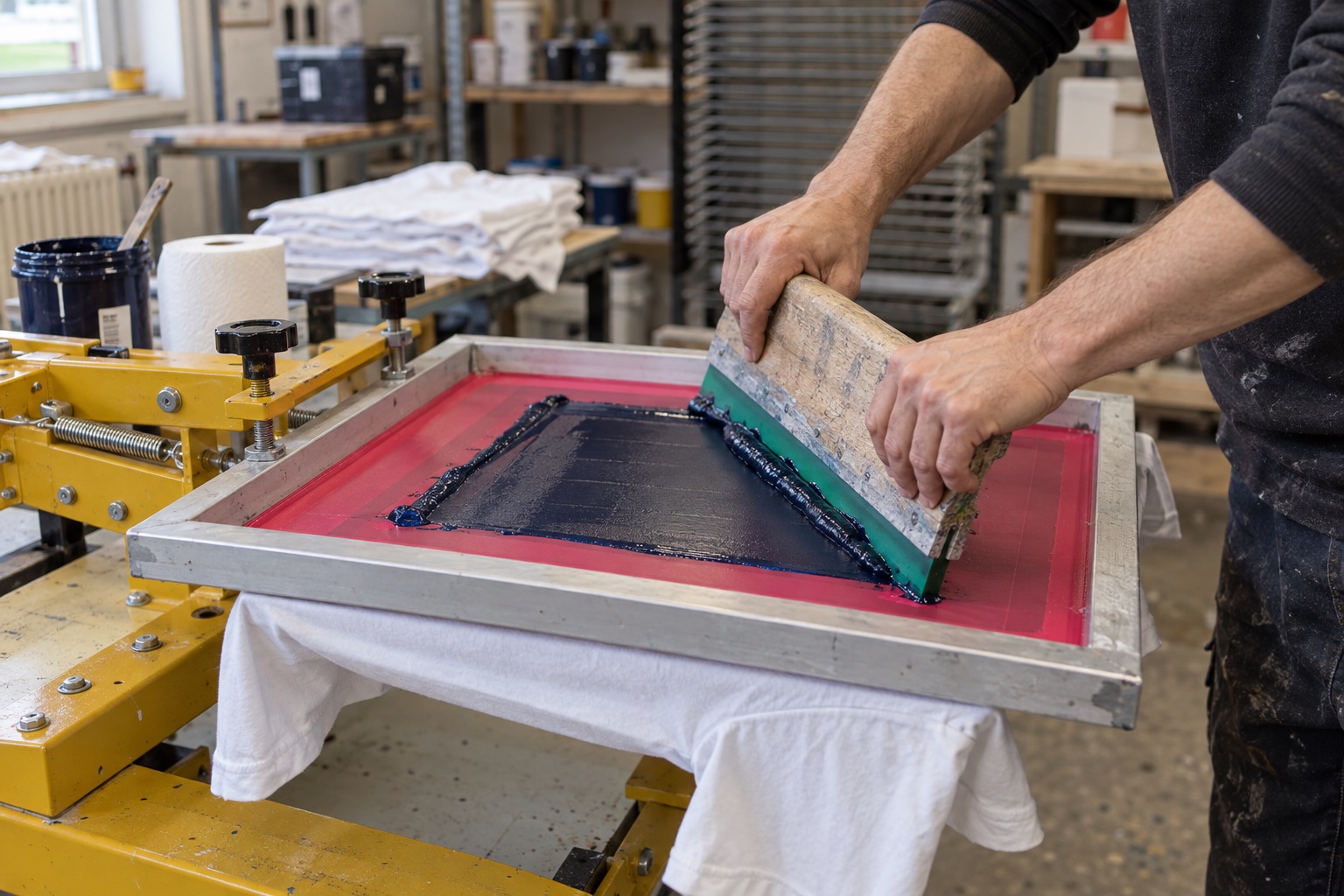
Strengths of screen printing
- Excellent durability. A properly cured print survives hundreds of washes.
- Rich, vivid colours, especially on dark fabric.
- Low price per piece in large runs — the more shirts, the cheaper each one.
- Special effects are possible: raised ink, metallic colours, glow-in-the-dark inks.
Limitations of screen printing
- Preparing each colour costs money, so a small run with a multicolour design becomes expensive.
- Photos and subtle tonal transitions are hard to reproduce.
- Set-up takes time, so it is not ideal for urgent orders.
Best for: company uniforms, festival shirt runs, merchandise with a simple, dependable design.
DTF printing: flexibility and detail
DTF (Direct to Film) is a relatively new technology. The design is printed onto a special film, coated with adhesive powder and then transferred to the fabric with heat. The result is a full-colour image with no limit on the number of colours.
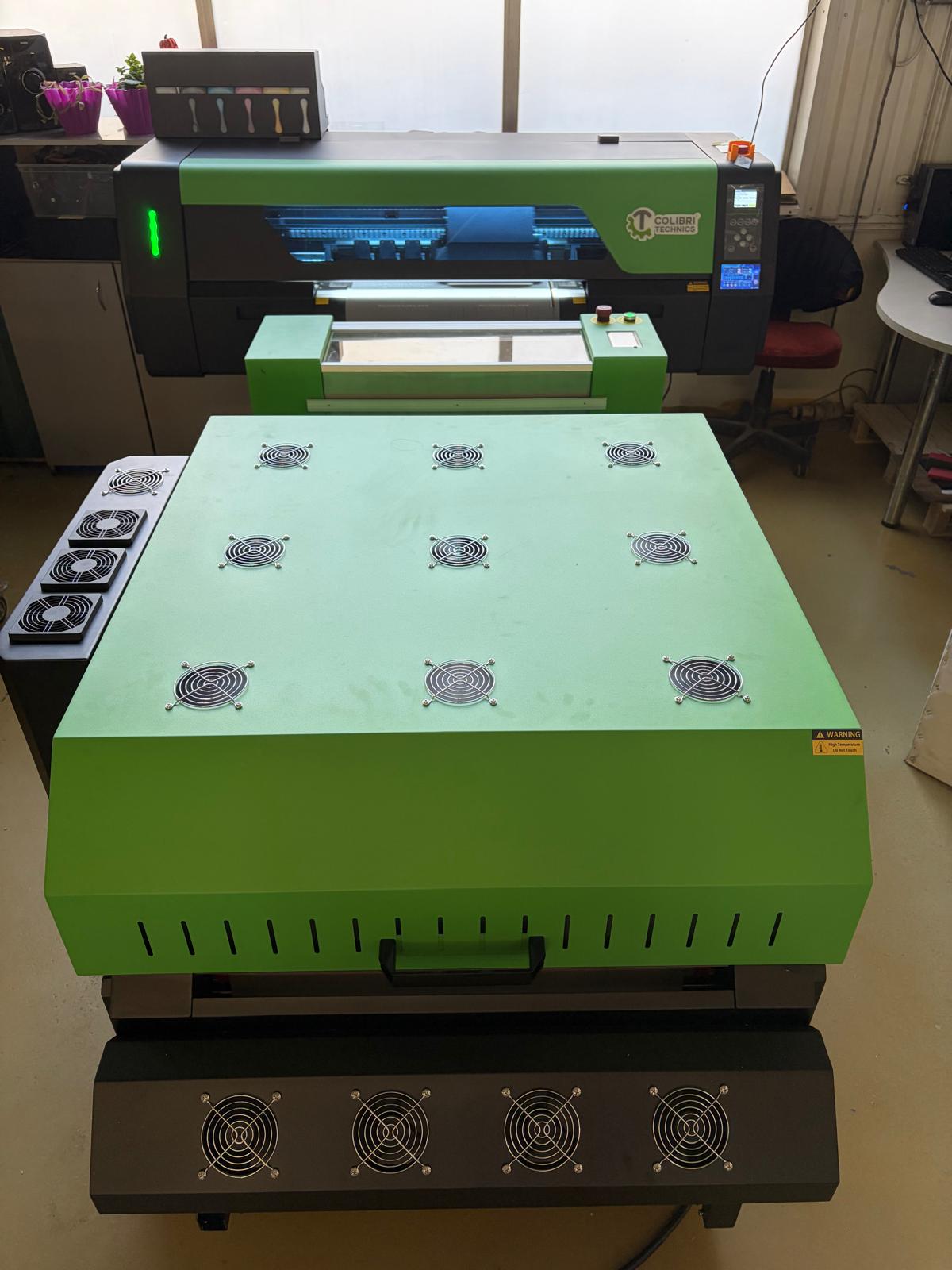
Strengths of DTF
- Unlimited colours — photos, gradients and fine details look good.
- No minimum run — you can print even a single shirt, and the price does not rise because of set-up.
- Works on almost all fabrics: cotton, polyester, blends and some sportswear fabrics.
- The print is flexible and moves with the fabric.
- Easy to personalise: every shirt can carry a different name or number.
Limitations of DTF
- To the touch, the print feels like a thin layer on top of the fabric rather than ink absorbed into the fibres.
- In very large runs, screen printing is usually more economical.
Best for: small and medium orders, sportswear and team shirts with names and numbers, personalised gift shirts, multicolour designs, orders with different artwork in one batch.
Heat transfer: for special colours and effects
With heat transfer, the design is cut from special film and applied to the shirt with a heat press. Today we choose it mainly when you need something ordinary printing cannot deliver: special colours and visual effects.
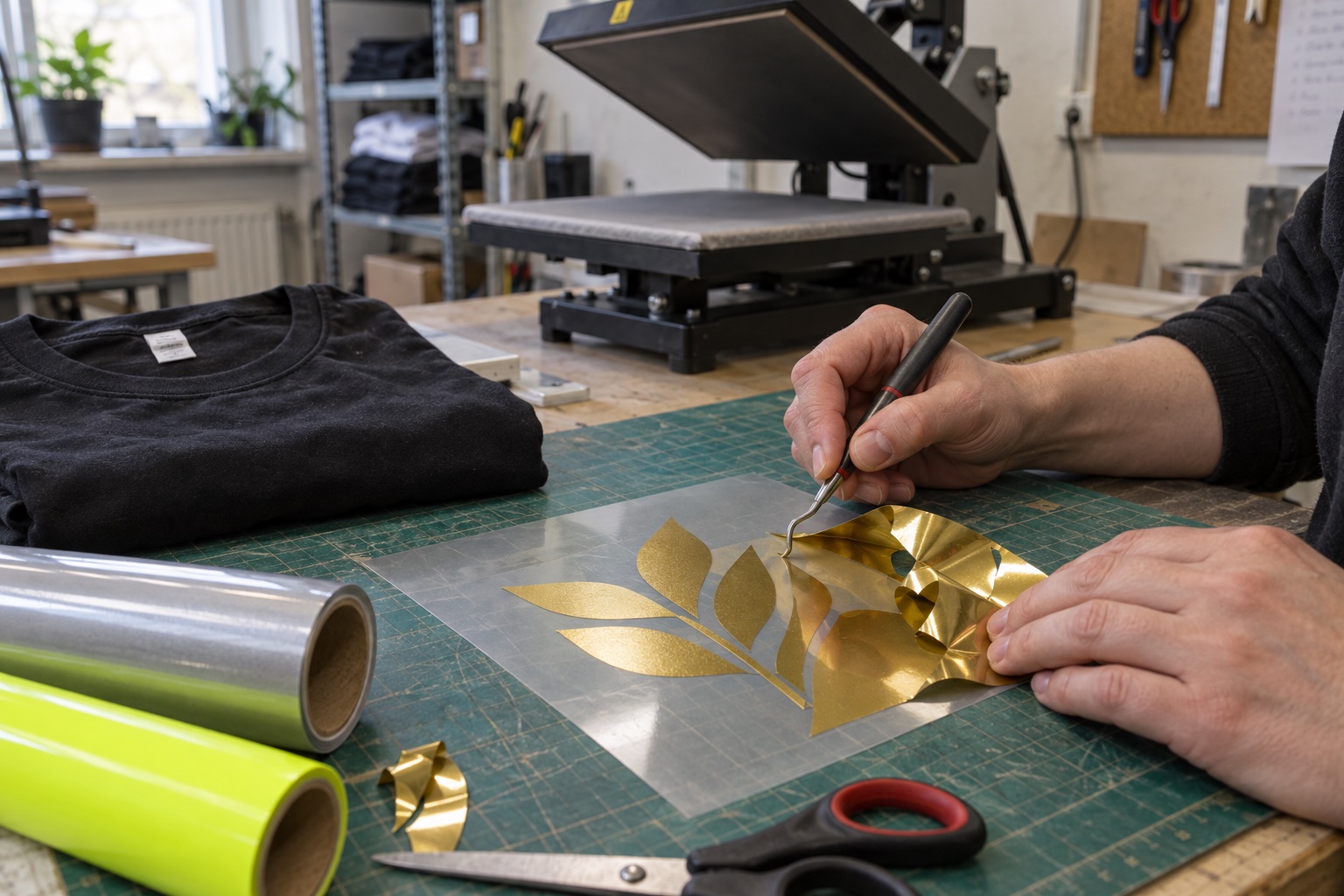
Strengths of heat transfer
- Special colours — gold, silver and fluorescent colours look exactly as they should.
- Special films — films are available that give a fabric-like texture or another visual effect.
- Clean, sharp edges for single-colour letters and shapes.
Limitations of heat transfer
- Complex multicolour designs and photos are not what this method is for — choose DTF for those.
- Heat transfer is generally no longer used for sportswear — DTF is the choice there.
- Durability depends on the quality of the material and correct application.
Best for: designs in gold, silver or fluorescent colours, and cases where you need a special film with a fabric-like or other visual effect.
A quick comparison
- Durability: screen printing — very high; DTF — good; heat transfer — good to medium, depending on the material.
- Number of colours: screen printing — limited by the number of screens; DTF — unlimited; heat transfer — usually a single colour or effect.
- Ideal run size: screen printing — from a few dozen up; DTF — from 1 piece to medium runs; heat transfer — from 1 piece to small runs.
- Price per piece in large runs: lowest with screen printing.
How to choose what is right for you
If you are not sure where to start, this simple guide helps:
- 100+ shirts with a simple logo — choose screen printing.
- 1–50 shirts with a colourful illustration or photo — choose DTF.
- Team and sports shirts with names and numbers — choose DTF.
- A design in gold, silver or fluorescent colour, or with a special effect film — choose heat transfer.
- One or a few gifts — DTF is the easiest route.
If your design is not ready yet, our overview of how digital printing works may also help, as the principles of preparing files are quite similar.
Design tips and shirt care
To make sure the print looks great and lasts, keep a few simple tips in mind:
- Supply your logo in vector format (AI, EPS, PDF) or as a high-resolution image.
- Check how the design looks on the shirt colour — a light design on a light shirt will disappear.
- Wash shirts inside out on a gentle cycle and avoid very hot water.
- Do not iron directly over the print — place a cloth between the iron and the design.
- Avoid bleach and high-temperature tumble drying.
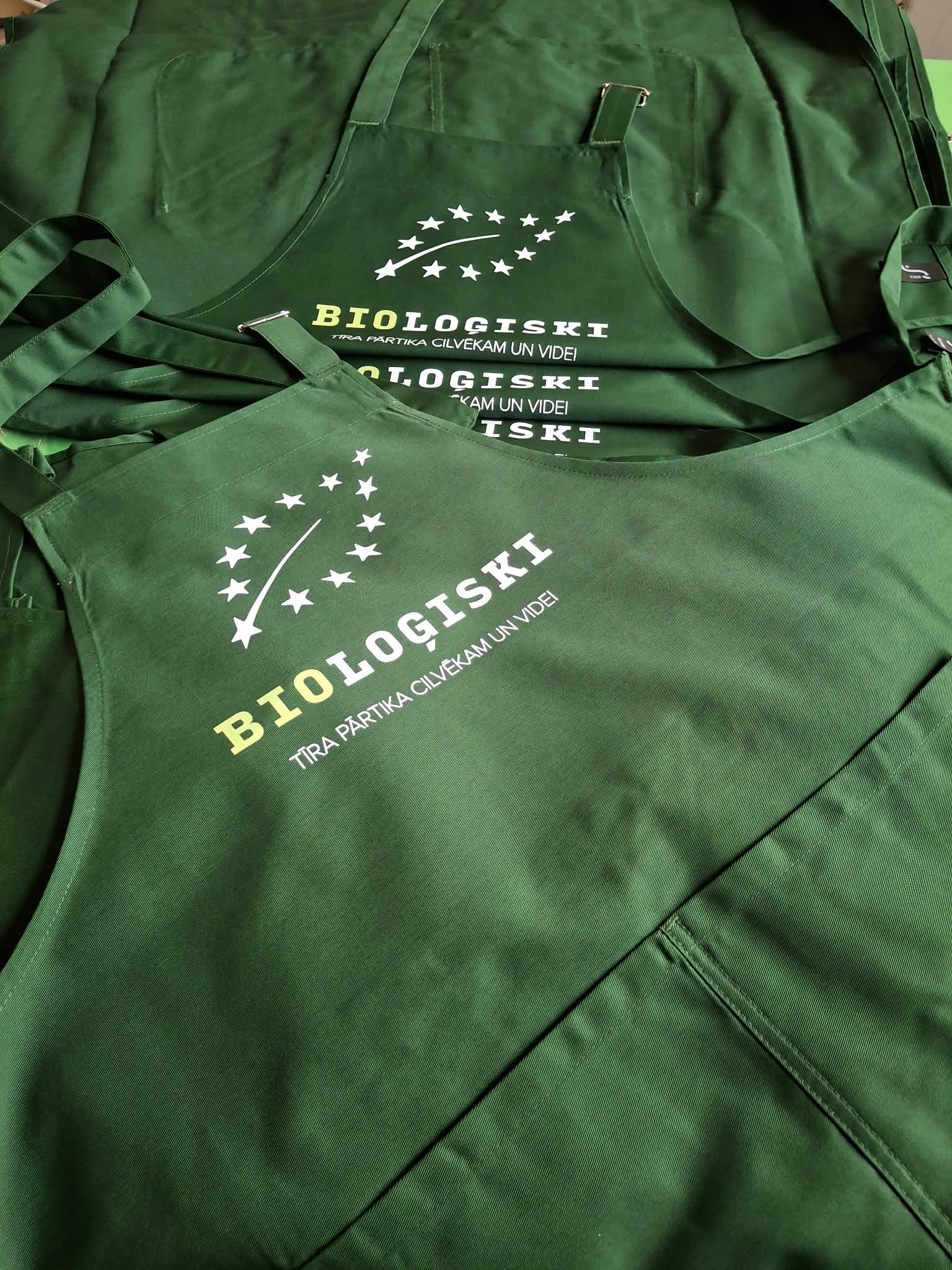
How we can help
At NRJ Print House in Riga you can choose the most suitable method together with our team. We will look at your design, run size and budget and recommend the option that gives the best result. Learn more about the service on our T-shirt printing page.
Ready to start? Tell us about your idea and we will prepare a quote free of charge and with no obligation.
