


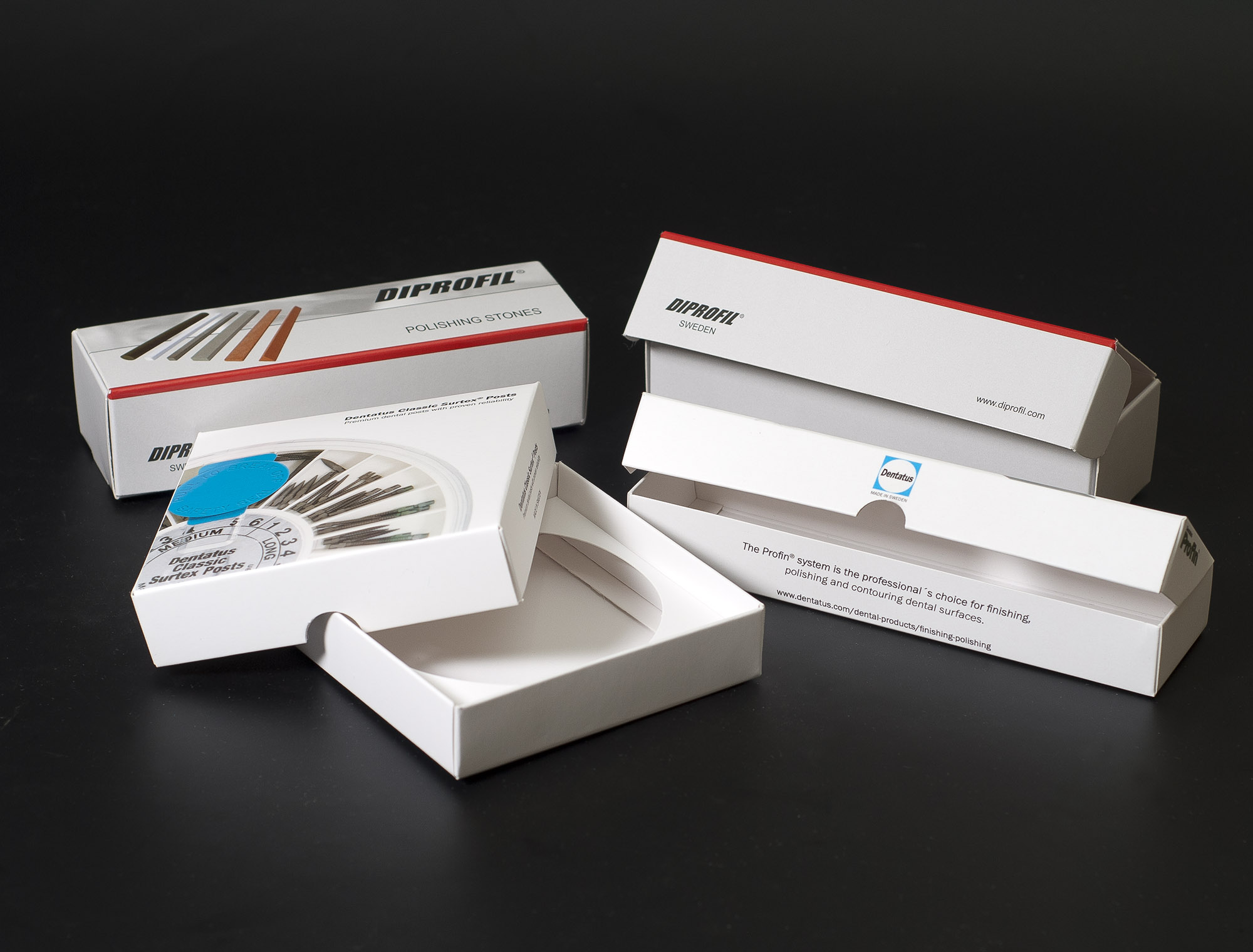
A client walks in with a great visual and asks, “How much will the box cost?” We answer with a question of our own: what goes inside it? It sounds minor, but almost everything depends on it, from the thickness of the board to whether the lid closes at all.
Packaging is not just printed cardboard. It is the first thing a buyer picks up, and often the only thing they see before deciding. Here is how we usually suggest approaching it if you are ordering for the first time.
Start with the product, not the design
Before any artwork, you need to know three things: the size of the product, its weight, and whether it needs protection from moisture, grease or knocks. A candle, a tea blend and a bottle of face cream need completely different boxes, even under one brand.
We strongly recommend bringing a sample of the product itself. Not a drawing, not measurements from memory, but the real thing. With it in hand, the mock-up comes out right the first time, and nobody ends up saying “it was just a millimetre too narrow.”
Choosing the board
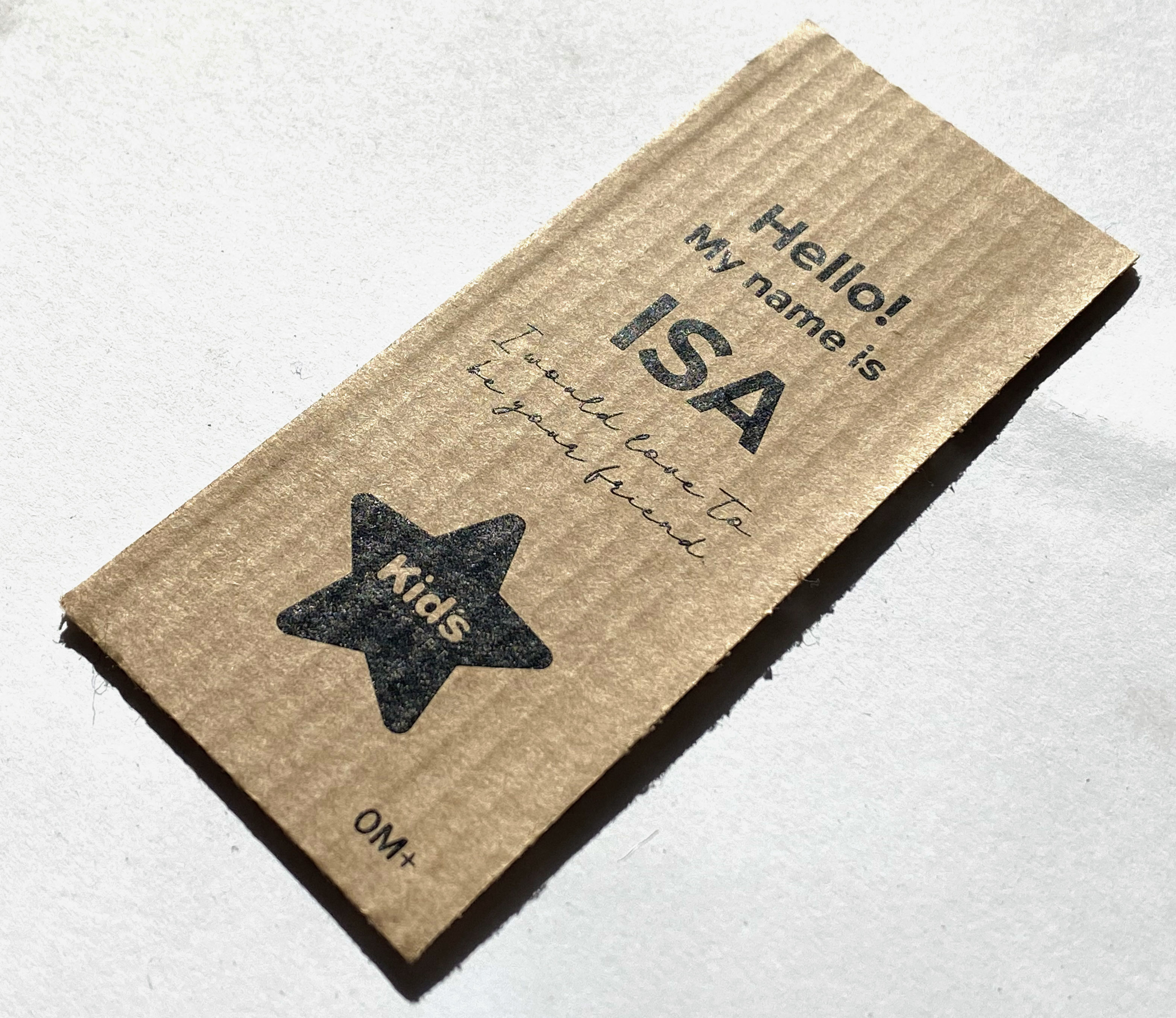
Put simply, there are two routes. Thinner board suits folding cartons for food, cosmetics and small items. Corrugated board is for strength: shipping boxes, heavier or more fragile goods.
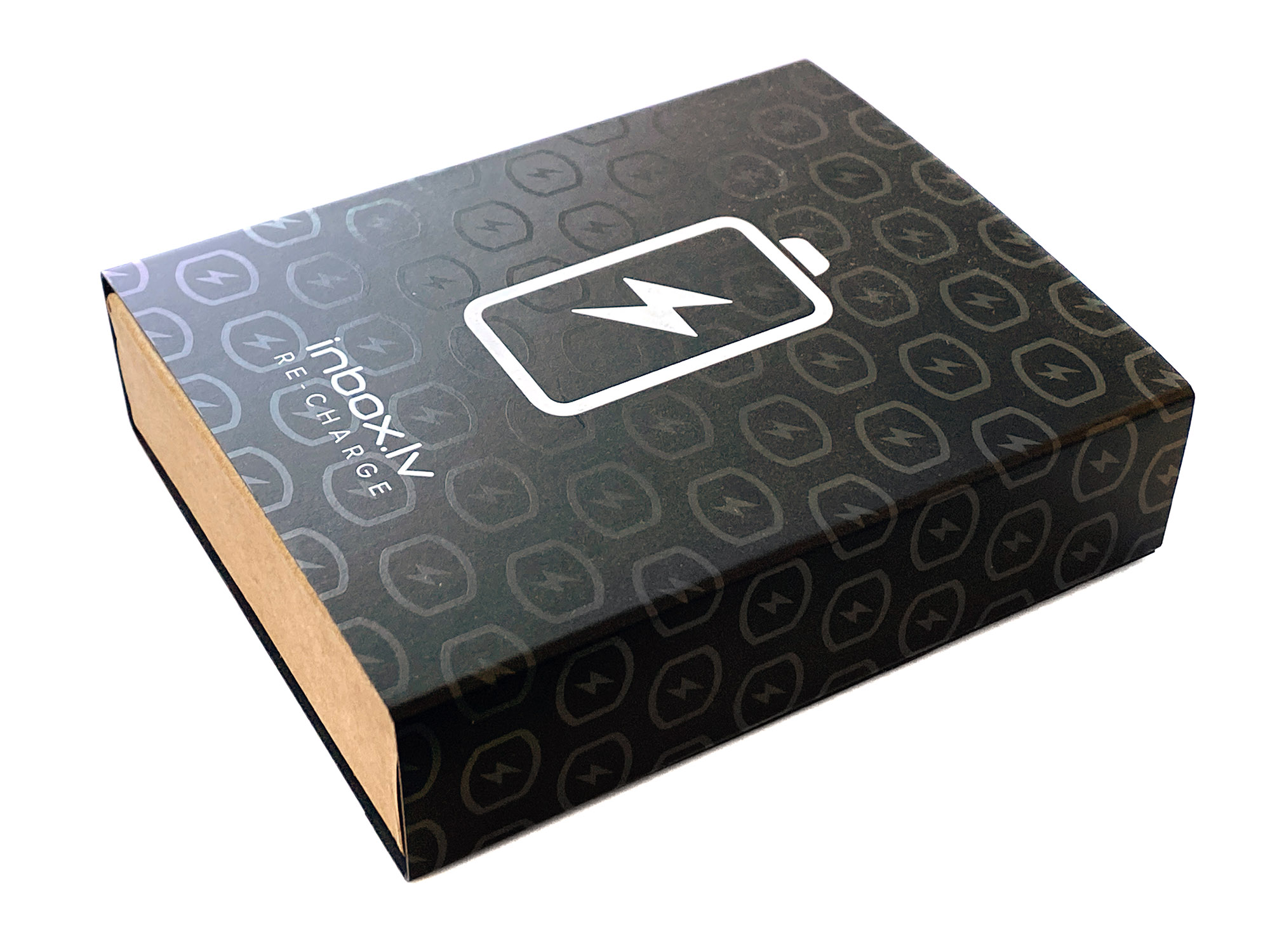
Then there is the surface. Matte, natural board looks calm and premium, but colours come out a little muted. Gloss makes colours punchier, though fingerprints show more. Honestly, this is decided more by the character of the brand than by technical rules. If you are unsure, come in and we will show you material samples on the spot. We have also written about paper choice in general, which is a good place to start.
Run size decides the print method
This is where new brands most often go wrong, either overpaying or tying up cash in a warehouse. If you only need a small number of boxes to test the market or ship the first orders, digital printing is usually the better fit. It lets you start with a small batch and tweak the design between runs.
When the run grows and the design settles, the strengths of offset printing start to show: the cost per box drops, and you can use spot colours that match your brand shade exactly. We will not quote a break-even point here, because it depends on format, number of colours and finishing. Ask for a quote on both options and compare.
The die line: what people forget
Every box has a cutting shape, which we call the die. If you want a standard box, we often already have a suitable die and only need to place your artwork on it. If you need a custom shape, a blank white mock-up comes first, and the graphics follow.
Why does it matter? Artwork looks one way on a flat sheet and another on a folded box, with windows and folds landing where you did not expect. A logo sliced in half by a fold line is one of the things we see most.
Finishing that sets one shelf apart from another
Varnish, foil, embossing, a die-cut window. All of these make a box something you want to touch. But not every box needs them. We usually suggest picking a single accent, such as a foil logo or a spot varnish, rather than adding everything at once. A box with five effects looks restless.
Common file mistakes
- Artwork drawn without the die outline, so text lands on a fold.
- Safe margins ignored, so text near the edge gets trimmed off.
- Black text built from four inks instead of pure black, which leaves a fuzzy edge on small letters.
- Colours prepared in RGB. We covered this in our CMYK vs RGB article, and it is still one of the most common problems.
- Low image resolution that looks fine on screen but soft in print.
Questions we hear at the counter
Can I order just a sample? Yes, and we recommend it. One real sample before a big run saves you from expensive mistakes.
How long does it take? That depends on whether the box needs a new die and what finishing you choose. We give an exact time after we have seen the file and the material.
Do you help with design? We can prepare the file to your brand guidelines or adjust an existing one. It is easiest when you arrive with a clear idea.
Will I need labels too? Boxes often get packaging labels and stickers for ingredients, a barcode or a batch number. It is worth deciding this early so everything matches.
If your idea only exists on paper, or just in your head, come and show us. After half an hour of talking, it is usually clear where to start.
